01
Driveways
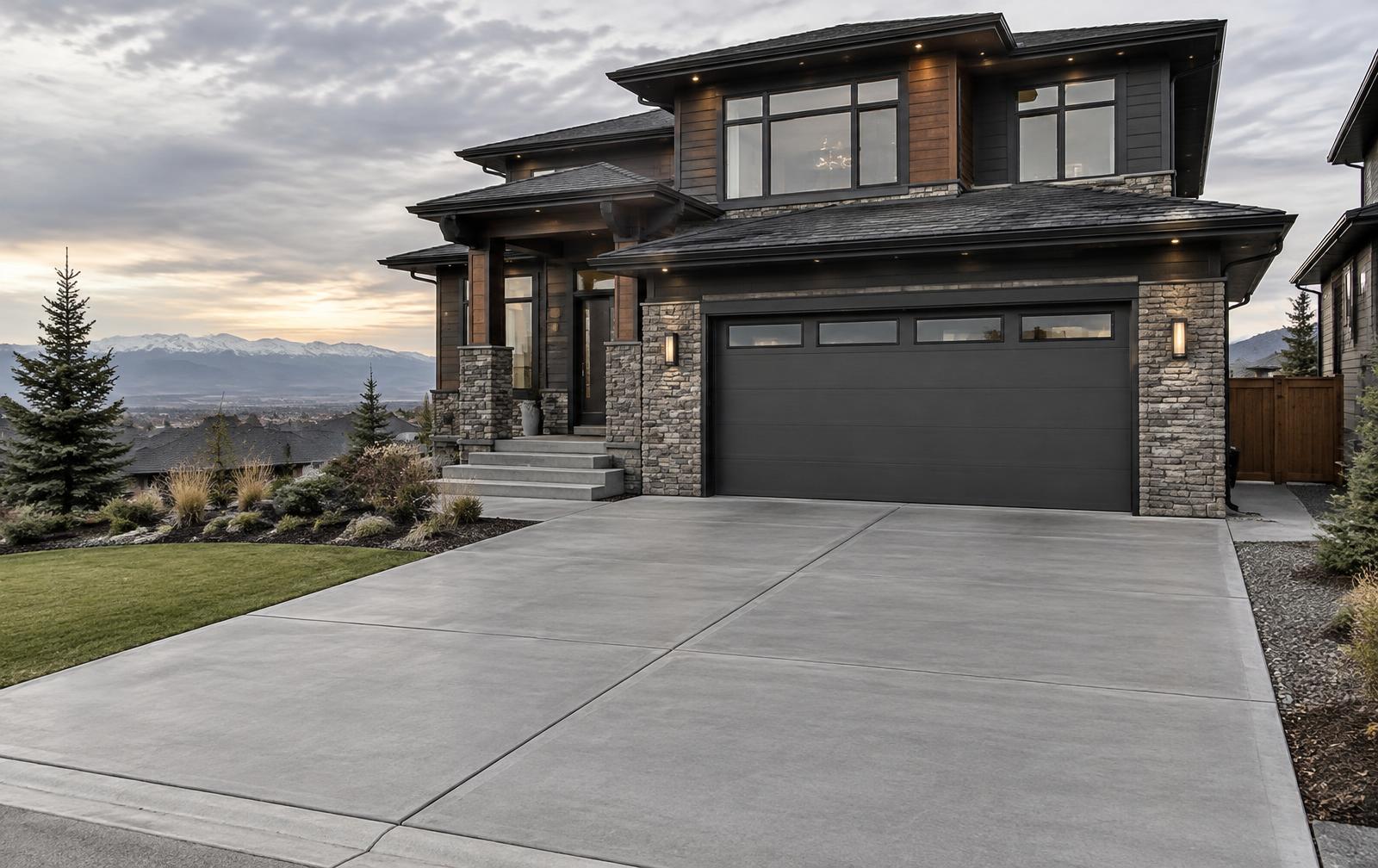
New pours, replacements, and widenings. Grade set so water runs away from the garage and the sidewalk, not toward either.
- 4 in. slab over compacted base
- Welded wire mesh reinforcement
- Joints sawn to a third of slab depth
Calgary, Alberta · Serving Calgary & surrounding communities
admin@flatlineconcrete.caCalgary, Alberta · Concrete flatwork
Poured concrete flatwork — driveways, sidewalks, steps, and patios — built to take the freeze-thaw. Poured straight, joined where it needs to crack, and finished so it lasts more than one thaw.
What we pour
Flatwork is unforgiving: the base, the slope, and the joint layout decide whether a slab lasts twenty years or cracks by the third spring. That is the whole job, and it is what we do.
01
New pours, replacements, and widenings. Grade set so water runs away from the garage and the sidewalk, not toward either.
02
Walks that stay level with the curb and steps that don't heave. Straight lines, square corners, and a finish you can trust in winter boots.
03
Backyard slabs, garage pads, shed and hot-tub bases — sized, sloped, and drained so the water leaves before it can freeze under it.
How we build
Nothing about a good slab is visible once it is done. That is the point — the base, the slope, and the joint layout are what you are paying for, so here is exactly what happens on your property.
01
We look at grade, where the water currently goes, access for the mixer, and what is under the old slab.
02
Excavate to depth and compact a gravel base. Frost heave starts under the slab, so this is where the slab lives or dies.
03
Straight, braced forms and a set slope — roughly a quarter inch per foot away from the building — before a drop is poured.
04
Vapour barrier underneath, welded wire mesh lifted on chairs, and an air-entrained mix suited to freeze-thaw.
05
Broom finish, joints sawn the same day at a third of the depth, then kept damp while it cures. Off it for seven days.
Work
Every job gets the same three checks before we hand it over: does it drain, do the joints line up, and is the finish even from the curb to the door.
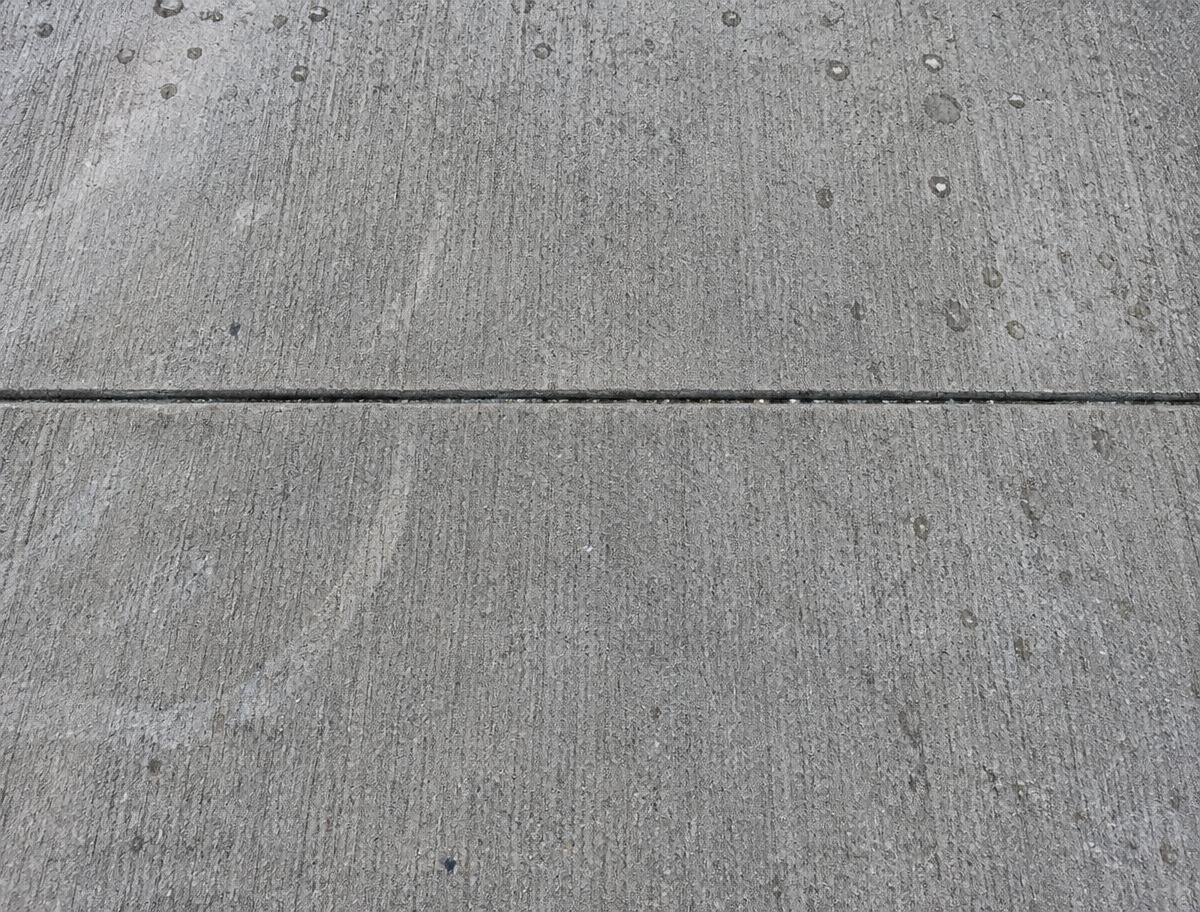
Broom finish, sawn joints at the third points, slope carried to the sidewalk.
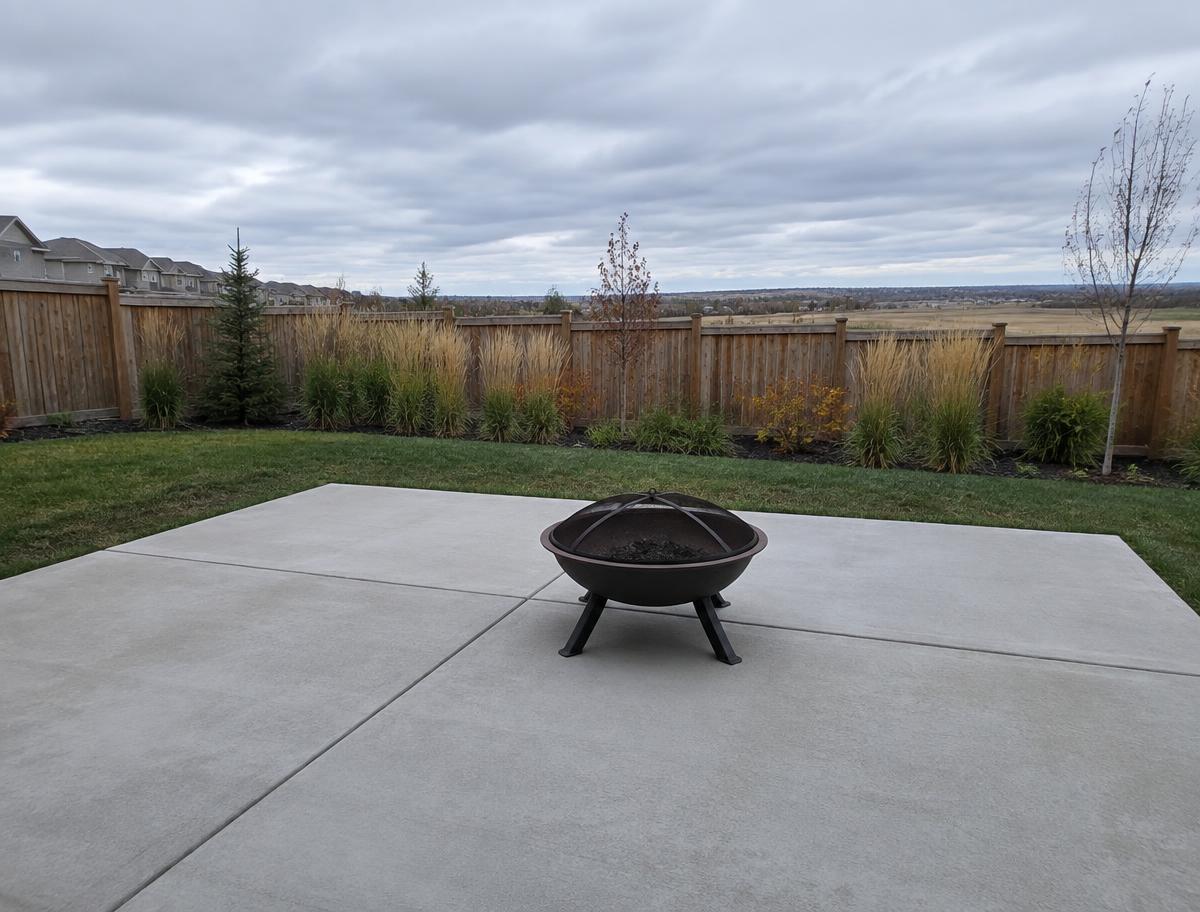
One slab, four bays, sloped away from the house and drained to the lawn.
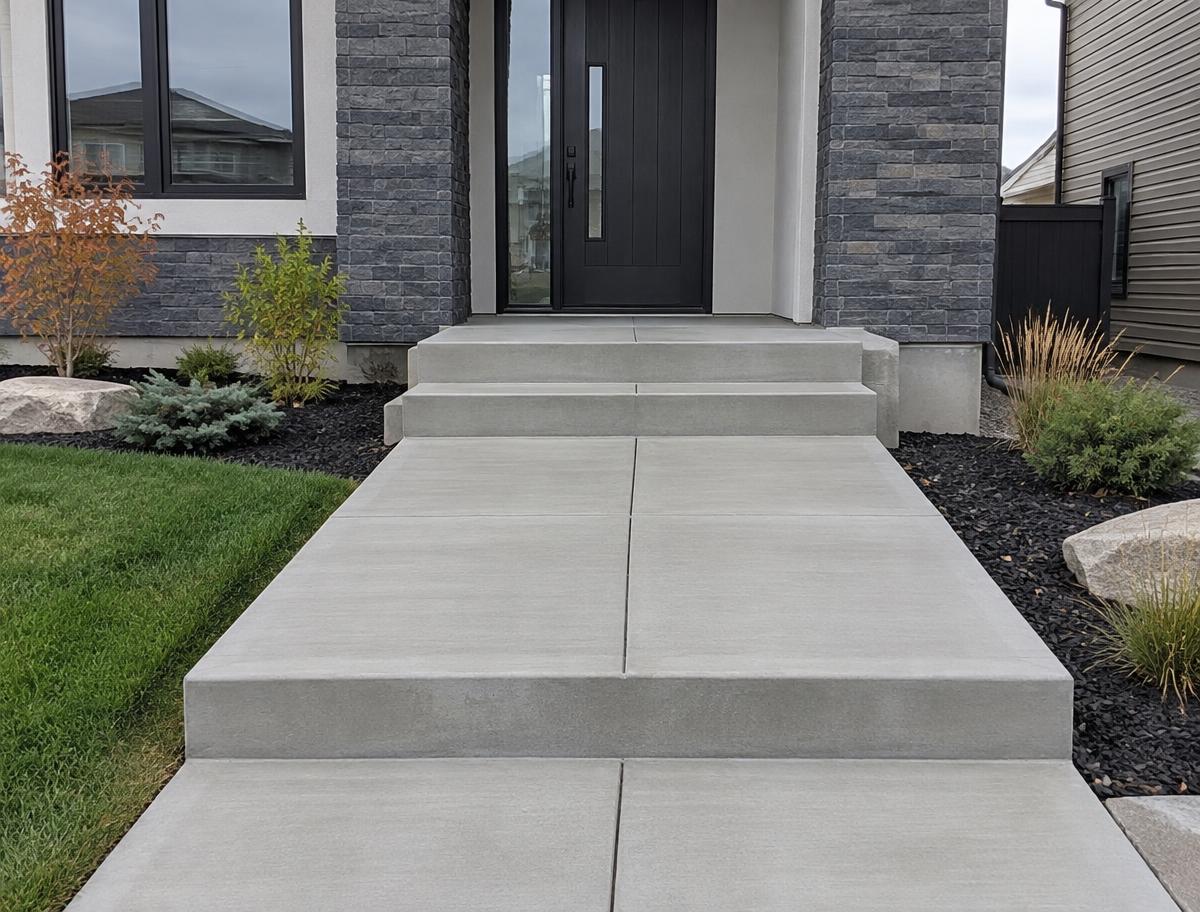
Square corners, curb-height transition, non-slip finish for winter boots.
Service area
Flatline Concrete works calgary & surrounding communities. If you are outside that, email the address anyway — if we can get a mixer there, we will tell you.
Straight answers
Anything not covered here — email it. A written quote comes back to the address you send, with the scope spelled out.
Four inches over a properly compacted base handles passenger vehicles, which is what we pour for almost every Calgary driveway. Driveways that carry deliveries, RVs, or equipment get thicker, and we say so in the quote.
Seven days before vehicles, and treat it gently for the full 28 days while it reaches working strength. No salt, no dragging bins, no tyre marks turned into it while it is still soft.
Concrete cracks where it is weakest, so we make the weakest spot a sawn joint: joints cut to about a third of the slab depth, spaced roughly two and a half times the slab thickness in feet. It cracks at the joint, where it looks intentional, instead of across the middle where it does not.
Usually not. A slab needs mild temperatures and no hard frost while it cures, so in this climate the season runs roughly April through October. Book early in that window and the base can be prepped before the pour.
Yes — demolition, hauling, and disposal go in the written quote when a replacement is involved, so there is nothing to arrange on your side.
It comes down to square footage, how deep we have to dig, access for the mixer, and whether the old slab is coming out. Send the address and a rough size and you will get a written quote, not a guess.
Request a quote
Fill this out and your email app opens with the details already written — check it, hit send, and a reply comes from admin@flatlineconcrete.ca.
Preview of your email
admin@flatlineconcrete.ca
Subject: Quote request — Flatwork
Name: —
Email: —
Phone: —
Property / neighbourhood: —
Project: —
Approx. size: —
Timing: —

Details:
—